• ES
  • EN
Fundeps
  • About Fundeps
  • Team
  • Working areas
    • Environment
    • Democracy
    • Gender
    • Global Gorvernance
    • Health
  • News
  • Publications
  • DONATE
  • Click to open the search input field Click to open the search input field Search
  • Menu Menu
News

Lack of information from the World Bank Project on non-communicable diseases
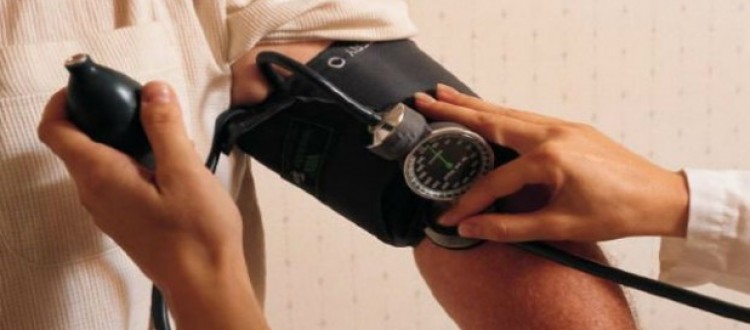
On June 11, 2015, the World Bank Board approved a project to Argentina for a 350 million dollars in the health area. This project focused on the Protection of Vulnerable Population against NCDs, supported the strategy of the Ministry of Health for these diseases, in search of improved the access to prevention and control services to 3.2 million adults between 40 and 60 years who takes greater risks. We presented a request for information to the World Bank because of the lack of official information project and the non-reply from the Ministry of Health of the Nation and the province of Cordoba.

“Below, we offer a google translate version of the original article in Spanish. This translation may not be accurate but serves as a general presentation of the article. For more accurate information, please switch to the Spanish version of the website. In addition, feel free to directly contact in English the person mentioned at the bottom of this article with regards to this topic”

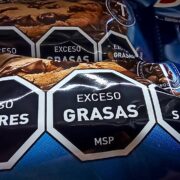
Noncommunicable diseases such as cardiovascular disease, cancer and chronic respiratory diseases are responsible for 81% of deaths in Argentina. However, a considerable part of these diseases can be prevented or controlled, reducing risk factors, among which we can find: a diet with excess sugars, refined flour, fat and salt, and low fiber intake; overweight and obesity; snuff consumption; hypertension; and a high level of blood glucose.

The project aims to work to improve the capacity of primary care to provide quality services in early detection and continuous monitoring of obesity, hypertension, diabetes and chronic obstructive pulmonary disease. Added to that, at provincial and municipal level are expected to perform aimed at promoting healthy diets, promoting physical activity and consumption of snuff control interventions.

Despite the importance of the project from the Ministry of Health of the Nation, it has only produced an early report, but it has not been updated, or have incorporated references to the way it is being implemented.

In this context, from FUNDEPS -together with FIC Argentina- present public information requests to the agencies of the Ministry of Health of the Nation, to learn about the progress of the project. Likewise, we consulted about the existence of instances of citizen participation and if the project monitoring mechanisms are foreseen by Civil Society Organizations.

In addition, information particularly referred to the contribution of funds requested by YPF, as expressed in the portal of the Government of the Province of Tierra del Fuego.

Finally, given the lack of response by the Ministry of Health of the Nation, we request the information by the means provided to apply directly to the World Bank, financer of the project.

Lack of information undermines its objectives and hinders proper coordination with provincial authorities. Of journalistic sources it is known that some governments have deposited more funds are not enabled to run.

From FUNDEPS as members of the Argentina Coalition for the Prevention of Non-Communicable Chronic Diseases with other organizations that share the mission to work in preventing these diseases from different perspectives (medical, consumer, human rights, advocacy, academic ) we are monitoring this project.

More information:

– The Minister of Health of the Nation received the Governor of Tierra del Fuego (Prensa Tierra del Fuego – 19/05)

– Ricardo Cardozo manages resources to the nation for the Province (Diario La Republica 13/09)

– Investment of U $ S 437 million in protection against chronic noncommunicable diseases (Telam 08/10)

Contact:

Franco De Grandis, francodegrandis@fundeps.org

María Victoria Gerbaldo, victoriagerbaldo@fundeps.org
27 de October de 2016
Tags: ENTs, Health, World Bank
Share this entry
  • Share on Facebook
  • Share on X
  • Share on WhatsApp
  • Share on LinkedIn
  • Share by Mail
https://fundeps.org/wp-content/uploads/2017/06/15285_imagen-1.jpg 330 750 Fundeps.org https://fundeps.org/wp-content/uploads/2026/04/logo-2026-300x120.png Fundeps.org2016-10-27 13:17:132024-06-30 16:04:13Lack of information from the World Bank Project on non-communicable diseases
You might also like
Civil society organizations call for transparency in World Bank safeguards review
The law in the face of health challenges in Latin America
We present new complaints for electronic cigarette advertising on social networks
Misinformation is also violence
75 years after the foundation of the World Bank: successes and failures in its relationship with civil society
The Deliberative Council of Córdoba would prohibit the display of ultra-processed products in checkout lines
At the Cosquin Rock violates the regulations on tobacco advertising
More than 15 Latin American countries requested presidents measures to protect health

Tags

Access to Information Access to Justice BID Chinese Investments Citizen Participation Democracy ENTs Environment Environmental Democracy Gender Global Governance Health Healthy nutrition IFIs Infrastructure Financing Legal Interruption of Pregnancy Sexual and Reproductive Rights Social and Environmental Standards Tobacco Control Transparency
See all tags

Acuerdo de Escazú

Emergencia Agroquímica

MOCI - monitoreo ciudadano en proyectos de infraestructura

{el entramado} Contamos historias. Acercamos Realidades.

Instagram

fundepsargentina

Trabajamos para que se garanticen los derechos humanos 🌱⚖️🗣️🌈💜🚭🍎
Promovemos la equidad de #genero, el derecho a la #salud y un #ambiente sano.

TE NECESITAMOS 🧡 Para seguir de cerca el Plan de TE NECESITAMOS 🧡

Para seguir de cerca  el Plan de Saneamiento del Lago San Roque, hay que mirar de cerca todo el proceso. Revisamos información técnica, hacemos seguimiento de la causa y elaboramos informes públicos sobre el cumplimiento del Plan.

Sostener este trabajo en el tiempo requiere recursos. Tu aporte hace posible que continúe.

Doná hoy! (link en bio)
Y todo esto quedó en un papel? No. Ya hay avances. Y todo esto quedó en un papel? No. Ya hay avances. Pero tampoco está resuelto.

Hay plantas de tratamiento que comenzaron a funcionar, obras de cloacas terminadas y establecimientos que fueron auditados por posible contaminación.

➡️ También quedan medidas por cumplir y avances que necesitan seguimiento. Porque mostrar lo que se hizo también sirve para saber qué falta.

Para seguir acompañando este proceso y sosteniendo el trabajo que todavía queda, necesitamos tu apoyo.

Doná hoy.
La Justicia no solo dijo que el lago está contamin La Justicia no solo dijo que el lago está contaminado. También ordenó qué tiene que hacer el Estado para empezar a sanearlo.

La sentencia establece medidas concretas, con plazos y obligaciones que involucran a la Provincia y a los municipios de la cuenca.

Entre ellas: avanzar con las obras cloacales, controlar los vertidos contaminantes, fortalecer la fiscalización y garantizar espacios de participación y transparencia.

Deslizá para conocer qué tiene que pasar para que el saneamiento avance.

Ayudanos a seguir trabajando para que estas medidas se cumplan. Doná hoy.
Hoy, 4 de septiembre, es el Día Mundial de la Salu Hoy, 4 de septiembre, es el Día Mundial de la Salud Sexual. Una fecha que nos invita a volver sobre las discusiones que atraviesan el acceso a la salud sexual y (no) reproductiva: condiciones de acceso para que sea integral y de calidad, desde un enfoque de derechos y con perspectiva de diversidad.

En el mes de junio nos encontramos en el 3° Encuentro Provincial de Redes de Compromiso y Cuidados: Salud sexual Integral con Perspectiva de Diversidad para poner en común experiencias y preguntas sobre estos desafíos.

Hoy recuperamos algunas de las voces que fueron parte de las exposiciones de ese encuentro para volver sobre dos preguntas que siguen abiertas:
¿Cuál es hoy el debate más urgente cuando hablamos de salud integral y diversidad?
¿Por qué es importante encontrarnos en este contexto?

Porque garantizar el derecho a la salud también implica seguir encontrándonos para pensar, discutir y construir respuestas colectivas.
Follow on Instagram

Twitter

Tweets por @fundeps

Newsletter Subscription

    Fundeps. Córdoba (CP X5000JZH), Argentina. info@fundeps.org
    • Link to X
    • Link to Facebook
    • Link to Instagram
    • Link to Mail
    • Link to Youtube
    • Link to LinkedIn
    • Link to TikTok
    Link to: Chinese investments in Argentina: the aqueducts in Entre Ríos Link to: Chinese investments in Argentina: the aqueducts in Entre Ríos Chinese investments in Argentina: the aqueducts in Entre Ríos Link to: FUNDEPS presented report at the 65th session of the United Nations CEDAW Committee Link to: FUNDEPS presented report at the 65th session of the United Nations CEDAW Committee FUNDEPS presented report at the 65th session of the United Nations CEDAW Co...
    Scroll to top Scroll to top Scroll to top