• ES
  • EN
Fundeps
  • About Fundeps
  • Team
  • Working areas
    • Environment
    • Democracy
    • Gender
    • Global Gorvernance
    • Health
  • News
  • Publications
  • DONATE
  • Click to open the search input field Click to open the search input field Search
  • Menu Menu
Global Governance, News

More than 100 organizations are calling on EITI to publish environmental information
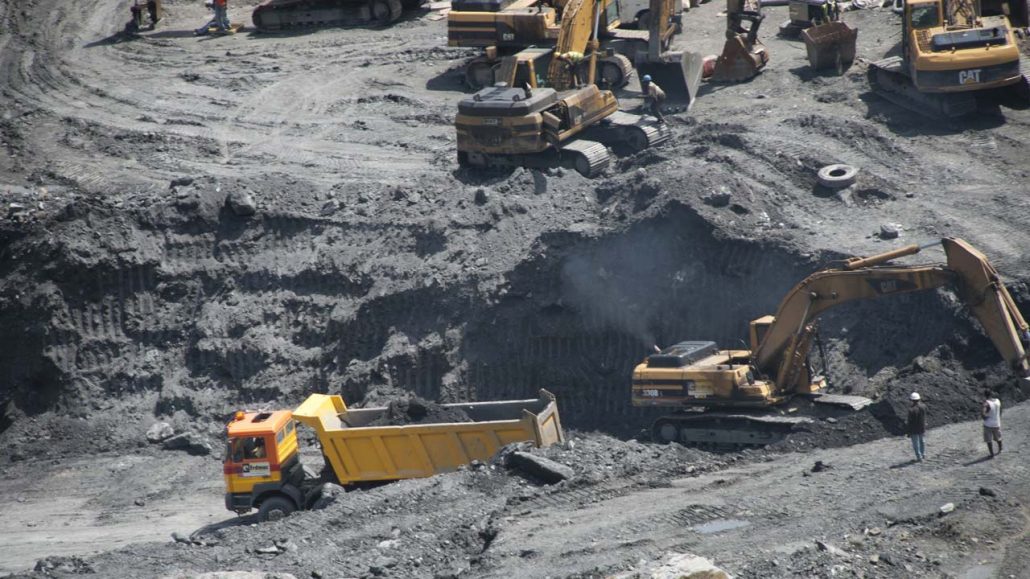
On the initiative of the Peruvian organization ‘Law, Environment and Natural Resources’, on February 25, a letter was presented to the Board of Directors for the Extractive Industries Transparency Initiative (EITI), demanding the publication of environmental information. More than 100 organizations in Latin America (including FUNDEPS), signed a letter asking the members of this initiative to make transparency in environmental information mandatory.

“Below, we offer a google translate version of the original article in Spanish. This translation may not be accurate but serves as a general presentation of the article. For more accurate information, please switch to the Spanish version of the website. In addition, feel free to directly contact in English the person mentioned at the bottom of this article with regards to this topic”.

The EITI standard for transparency in extractive activities, seeks to disseminate information on the oil, gas and mining industry. It requires the publication of information along the value chain of the extractive industry, from the point of extraction, to the way in which revenues continue on their way to the government; even how they benefit the general public. This includes how licenses are adjudicated and registered, who are the actual beneficiaries of those operations, what are the legal and fiscal provisions, how much is produced, how much is paid, how are those revenues distributed, and what is the contribution to the economy, including employment.

It is a multilateral initiative to which governments adhere voluntarily, and ensuring the participation of civil society and companies in the extractive sector.

However, and despite the imprint of this initiative, the standard currently lacks requirements on the obligation to publish information related to the costs and environmental impacts of extractive activity. It is necessary to have information, for example, on the amount of water that a mining project consumes, fines paid by corporations for environmental violations, information on environmental impact assessments, mitigation plans, among others. These data are crucial to avoid irreversible damage to the environment and the violation of the rights of those affected by extractive activity.

During the week of February 25, the EITI Board will meet in Kiev, Ukraine; to review the provisions of the current standard. Civil society organizations in Latin America sent a letter demanding that after the review process new guidelines be incorporated to ensure that:

  • Information is disseminated at the project level, in relation to all social and environmental assessments, showing the true impact of extractive activity on ecosystems and communities.

  • Environmental and social information about payments and expenses is disclosed, including impact studies, acquired rights, licenses, fines, compensations and remediation.
  • Information on all environmental licenses and authorizations, disaggregated by company and project, is disclosed. Including how the authorities monitor environmental commitments and information.


Argentina has officially joined EITI on February 27, 2019. To strengthen the standard with the demands made by civil society, would result in an improvement on the generation and publication of environmental information in our country.

More information

Sitio WEB de EITI

Carta enviada al Directorio de EITI

Environmental Reporting: Key to Transparency

Contact

Agustina Palencia, agustinapalencia@fundeps.org

 

1 de March de 2019
Tags: Access to Information, Environment, Global Governance, Transparency
Share this entry
  • Share on Facebook
  • Share on X
  • Share on WhatsApp
  • Share on LinkedIn
  • Share by Mail
https://fundeps.org/wp-content/uploads/2019/02/extractive-industry.jpg 720 1280 Admi2024FunDEPS https://fundeps.org/wp-content/uploads/2026/04/logo-2026-300x120.png Admi2024FunDEPS2019-03-01 14:16:112024-06-30 16:03:06More than 100 organizations are calling on EITI to publish environmental information
You might also like
Why does Argentina still not have a National Action Plan on Business and Human Rights?
The Regional Agreement on Principle 10 is binding
We participate in the consultations of the new IDB Environmental and Social Policy Framework
PreCOP Córdoba “Civil Society Collaboration”
Organizations meet with the Federal Council for Transparency for the first time
Active Transparency: discussion on good practices and challenges
Comments and observations on the draft IDB Environmental and Social Policy Framework from a gender perspective
Transparency and participation of civil society in the CONAL decision-making process | SUMMARY

Tags

Access to Information Access to Justice BID Chinese Investments Citizen Participation Democracy ENTs Environment Environmental Democracy Gender Global Governance Health Healthy nutrition IFIs Infrastructure Financing Legal Interruption of Pregnancy Sexual and Reproductive Rights Social and Environmental Standards Tobacco Control Transparency
See all tags

Acuerdo de Escazú

Emergencia Agroquímica

MOCI - monitoreo ciudadano en proyectos de infraestructura

{el entramado} Contamos historias. Acercamos Realidades.

Instagram

fundepsargentina

Trabajamos para que se garanticen los derechos humanos 🌱⚖️🗣️🌈💜🚭🍎
Promovemos la equidad de #genero, el derecho a la #salud y un #ambiente sano.

🌎 Hace un año, la @corteidhoficial emitió su histó 🌎 Hace un año, la @corteidhoficial emitió su histórica Opinión Consultiva sobre la emergencia climática.

✊ Una victoria para quienes defienden el ambiente en América Latina y el Caribe: la Corte confirmó que proteger a las personas defensoras del ambiente no es opcional. Es una obligación legal.

⚖️ Para explicar qué exige esa protección, la Corte se apoyó en el Acuerdo de Escazú. Resultado: la gran mayoría de Estados de América Latina y el Caribe no pueden ignorar los estándares de Escazú, incluso si aún no han ratificado el tratado.

🔎 La implicación es clara: los países de la región deben fortalecer el acceso a la información, la participación pública, la justicia ambiental y la protección de quienes defienden el ambiente. 

📝 La Opinión abre nuevas rutas para frenar la criminalización de personas defensoras, responder a las restricciones al espacio cívico y defender la participación pública en países como Costa Rica, Guatemala y Perú. Compartimos el análisis de  @manizalmigrante del @ciel_org

📣 La discusión ya no es si los países de América Latina y el Caribe deben proteger a quienes defienden el ambiente. Eso ya está claro. Ahora hay que usar la Opinión: en tribunales, reformas, debates públicos y procesos de movilización para exigir mejores garantías y mayor protección.

🔗 Lee el análisis completo en el link en www.ciel.org/corte-idh-escazu-personas-defensoras/
Seguimos compartiendo algunos momentos del 3° Encu Seguimos compartiendo algunos momentos del 3° Encuentro Provincial de Redes de Compromiso y Cuidados 🧡

Creemos que no hay mejor manera de cerrar una jornada de formación, intercambio y construcción colectiva que encontrándonos también desde el arte. Porque la música y la poesía también nos invitan a imaginar otros mundos posibles.

Así vivimos Revuelo Sur, Íntimas, el espectáculo de Susy Shock junto al Dúo Bazán-Bonillo, que acompañó el cierre de este encuentro.

Gracias a todas las personas que se acercaron y fueron parte de esta jornada.
Preguntas, experiencias y saberes compartidos 💭 A Preguntas, experiencias y saberes compartidos 💭

Así vivimos el 3° Encuentro Provincial de Redes de Compromiso y Cuidados, una jornada dedicada a reflexionar sobre salud integral con perspectiva de diversidad y a fortalecer redes para la promoción de derechos.

Les compartimos algunos momentos de este encuentro que reunió a más de 170 personas de distintos puntos de la provincia.
El litio está en el centro de la transición energé El litio está en el centro de la transición energética global. Y Argentina, con los salares, principalmente de Jujuy, Salta y Catamarca, es protagonista de esa historia.

Pero hay preguntas que no siempre se hacen: ¿quién se beneficia realmente? ¿qué pasa con el agua? ¿qué derechos están en juego en los territorios donde se extrae?

Acá respondemos las más importantes. Accedé al documento completo en nuestra bio.
Follow on Instagram

Twitter

Tweets por @fundeps

Newsletter Subscription

    Fundeps. Córdoba (CP X5000JZH), Argentina. info@fundeps.org
    • Link to X
    • Link to Facebook
    • Link to Instagram
    • Link to Mail
    • Link to Youtube
    • Link to LinkedIn
    • Link to TikTok
    Link to: The advertising sector from a gender perspective Link to: The advertising sector from a gender perspective The advertising sector from a gender perspective Link to: Revocation of the order to carry out studies on environmental contamination in Porta Hnos.’s case Link to: Revocation of the order to carry out studies on environmental contamination in Porta Hnos.’s case Revocation of the order to carry out studies on environmental contamination...
    Scroll to top Scroll to top Scroll to top