In the framework of the public consultation carried out by the Unit on the Rights of Older Persons of the IACHR, Fundeps, together with other civil society organizations, presented a report on national systems for the protection of the rights of older persons at the beginning of this year. the elderly in America.

“Below, we offer a google translate version of the original article in Spanish. This translation may not be accurate but serves as a general presentation of the article. For more accurate information, please switch to the Spanish version of the website. In addition, feel free to directly contact in English the person mentioned at the bottom of this article with regards to this topic”.

In its 2017-2021 Strategic Plan, the Inter-American Commission on Human Rights prioritized the theme of the elderly. To that end, it considered it necessary to identify synergies to advance in the construction of inter-American standards in this area, as well as the development of new working mechanisms, especially to promote the ratification and implementation of the Inter-American Convention on the Protection of Human Rights. Humans of the Elderly and make visible the situation of this population group.

For this reason, in order to prepare a regional report on the rights of older persons, he called for sending information from the member states of the Organization of American States on national systems for the protection of the rights of older persons. America.

The report was presented by Fundeps, the Inter-American Heart Foundation Argentina (FIC Argentina), the Commission specializing in the Rights of Older Adults of the Bar Association of the Province of Córdoba, the Center for Research in the Law of Old Age -National University of Rosario -, the Permanent Seminar on Research on the Law of Old Age -University of Buenos Aires-, the Research Institute on the Law of Elderly and Disability -Universidad Nacional del Centro de la Provincia de Buenos Aires and the Master’s program in Law de la Vejez -Universidad Nacional de Córdoba.

It made explicit the norms and programs that recognize or develop the rights of the elderly in Argentina, making special mention of the Province of Córdoba. Some of the obstacles and challenges for the protection of the rights of the elderly were highlighted, such as: the absence of intersectoral and articulated policies for the promotion of physical activity, the absence of human rights perspective in the regulations of the residences of long stay, the lack of publicity of the residences of long stay enabled.

Likewise, the report included the identification of the institutions and competency frameworks in the promotion of physical activity for the elderly and long-stay residences and the survey of a good practice at the local level -Córdoba- as is the development of the action research project on access to justice for vulnerable sectors – Project AJuV-, carried out through the Office of Human Rights and Justice of the Judicial Branch of Córdoba, from which contextual action strategies are developed to guarantee the effective access to justice for the elderly.

Finally, emphasis was placed on the absence of mechanisms for data collection and analysis of information regarding older persons and the need to have indicators to measure the results of the (few) public policies implemented, in order to monitor and assess progress and challenges.

In this way, the report gives an account – partially – of the situation of the rights of older persons in Argentina, revealing the regulatory insufficiency in an integral manner and the situation of vulnerability to which the elderly are exposed in the country, making it essential to have public policies with a focus on prioritization and inclusion in order to avoid non-compliance with international standards assumed by the Argentine State.

More information

Author

Laura Alesso

Contact

Agustina Mozzoni, <agustinamozzoni@fundeps.org>

The Ministry of Health of the Nation published a document that condenses a series of recommendations for the implementation of policies to prevent overweight and obesity in children and adolescents (NNyA) in educational institutions. It is extremely necessary that these recommendations become effective public policies.

“Below, we offer a google translate version of the original article in Spanish. This translation may not be accurate but serves as a general presentation of the article. For more accurate information, please switch to the Spanish version of the website. In addition, feel free to directly contact in English the person mentioned at the bottom of this article with regards to this topic”.

This Thursday, March 21, at the Secretary of Government of Health, the presentation of the Document of Standards of Healthy School Environments was carried out.

Overweight and obesity worldwide make up a serious public health problem that has acquired pandemic characteristics, which currently shows a worrying upward curve in children and adolescents. In our country, according to a recent report published by the Secretary of Government of Health in collaboration with UNICEF, overweight and obesity in NNyA represents the most prevalent form of malnutrition.

Currently, many children and adolescents grow and develop in “obesogenic environments”, that is, environments that encourage the excessive consumption of kilocalories and critical nutrients such as sugars, fats and sodium; In addition to offering multiple barriers to the development of physical activity and encourage sedentary behavior. Thus, the lack of regulation that promotes healthier environments has favored the growth of overweight and obesity in recent decades.

The objective of the document published by the country’s highest health authority is to establish standards that guide the process of enacting laws and implementing effective programs aimed at transforming current “obesogenic school environments” into “healthy school environments.” Given that the educational institution is a privileged scenario to promote health and the development of a healthy diet and lifestyle, it is considered essential to promote healthy school environments through comprehensive regulation that defends the rights of children, girls and adolescents and that it provides them with substantial protection.

Specifically, the Ministry of Health recommends the development of school environment regulations that revolve around two main areas: healthy eating and physically active school.

For the promotion of a healthy diet in school, school canteens must comply with the established nutritional criteria and with the standards of preparation and food service. Therefore, it is of the utmost importance that the cooks and kitchen assistants are constantly trained in topics related to the tasks they perform.

In addition, it is essential that the school implements a Food and Nutrition Education (EAN) strategy, and that it promotes healthy eating habits in the dining rooms. Likewise, a school infrastructure must be guaranteed that facilitates access to a healthy diet and, essentially, to safe water. In regard to healthy eating, it is also essential to regulate the sale of food and beverages within educational establishments -of all levels and modalities- and, to that end, ensure that the school is a space free of advertising, promotion and sponsorship of food and drink.

Likewise, and given that the school institution is the most important institutional actor in the promotion of physical activity in childhood and adolescence, the aforementioned organism considers that the school should facilitate access to the practice of physical activity, both in the formal and not formal, and install healthy and active habits, incorporating these topics in teacher training, ensuring accessibility and security in the spaces, with a view of inclusion.

We consider that the technical recommendations of the Ministry of Health for the design of healthy school environment policies are adequate to protect the right to health of children and adolescents. Guaranteeing healthy school environments constitutes an obligation assumed by the State and an opportunity to articulate with social and academic actors. The effective implementation of this policy is an objective that can only be achieved through an intersectoral articulation of different government actors (such as the Health, Education, and Social Development sectors, among others) and through a continuous process that guarantees the sustainability in the implementation and monitoring of measures.

In a survey conducted by FUNDEPS and ALIAR in the well-known music festival “Cosquín Rock”, actions were detected that violate the national and provincial regulations on the advertising of tobacco products.

“Below, we offer a google translate version of the original article in Spanish. This translation may not be accurate but serves as a general presentation of the article. For more accurate information, please switch to the Spanish version of the website. In addition, feel free to directly contact in English the person mentioned at the bottom of this article with regards to this topic”.

In Argentina, the National Law N ° 26.687 prohibits the advertising, promotion and sponsorship of tobacco products directly or indirectly and through any means of dissemination or communication; but it contemplates exceptions such as the interior of the points of sale and direct communications to persons over 18 years of age, when their prior consent has been obtained and their age has been verified. The province of Córdoba adhered to the national law through Law No. 10026.

Despite these restrictions, the industry continues to promote tobacco products, with strategies that target adolescents and young people. You can notice, for example, its presence in music shows and night parties, events where the young audience predominates.

In the Cosquín Rock, developed on 9 and 10 February, different tactics could be identified. On the one hand, a large number of promoters and promoters, young people with homogeneous clothing who carried a hanging tray with a fixed and bright advertising, and displayed cigarettes. This gave them a massive visibility throughout the property.

On the other hand, their consumption was encouraged through a special promotion: buying cigarette box packages allowed access to beer at a lower cost than the sale at the authorized premises. In addition, buying beer from those who sold cigarettes avoided the long wait to pay for it at other points of sale.

The brand that was advertised was Rothmans, belonging to the group BAT (British American Tobacco) and cigarettes were flavored, a mechanism that clearly tries to attract new consumers and consumers, seeking to associate tobacco with known flavors. The age of the people who attended was not controlled, so children were also exposed to these strategies.

This type of practice is prohibited according to the law n ° 26.687 and specifically according to the provisions of the regulatory decree n ° 602/13 that expressly contemplates the prohibition of advertising in spaces for public use and promotional discounts.

From FUNDEPS and as members of the Free Alliance of Smoke of Argentina (ALIAR) we denounce this situation before the Secretary of Government of Health of the Nation.

In this context, it is urgent to make progress in regulations that completely prohibit the advertising, promotion and sponsorship of tobacco products, as recognized by prestigious public health institutions and the Framework Convention on Tobacco Control, a public health agreement ratified by 181 countries of which Argentina is not a part.

The cigarette promotion at Cosquín Rock responds to a series of strategies aimed at young people. Allowing this type of advertising in musical events and night parties involves continuing to strengthen the idea of ​​cigarettes as a product linked to fun, independence, rebellion, freedom … ignoring its addictive and deadly nature. Even today, tobacco remains the leading cause of preventable death in Argentina.

More information

Advertising actions of the tobacco companies on websites and events | FIC Argentina

Author

Julieta Segura

Contact

Agustina Mozzoni, agustinamozzoni@fundeps.org

The National Coalition to Prevent Childhood Obesity in Children and Adolescents, a network of civil society organizations created with the support of UNICEF Argentina, spoke in favor of the adoption by our country of a frontal labeling of warnings, such as It was suggested by the Secretary of Health of the Nation. He also urged to convert these recommendations into effective public policies that raise the standards of protection of the right to health and adequate food.

“Below, we offer a google translate version of the original article in Spanish. This translation may not be accurate but serves as a general presentation of the article. For more accurate information, please switch to the Spanish version of the website. In addition, feel free to directly contact in English the person mentioned at the bottom of this article with regards to this topic”.

A nivel nacional, según la Encuesta Mundial de Salud Escolar (2012), en los últimos cinco años, en el grupo de adolescentes de 13 a 15 años aumentó el exceso de peso del 24,5% al 28,6%. A su vez,  la prevalencia de obesidad pasó del 4,4% al 5,9%.  Esta situación demuestra la necesidad de formulación de políticas públicas que tiendan a disminuir el consumo de productos con nutrientes críticos y a mejorar los hábitos alimentarios de la población a los fines de reducir el sobrepeso, la obesidad y otras enfermedades no transmisibles.

En este sentido, prestigiosas organizaciones de salud pública y comités de derechos humanos, han sugerido la adopción de un etiquetado frontal de alimentos como política de probada efectividad para prevenir la obesidad y el sobrepeso.

En Argentina no existe un sistema de etiquetado frontal de los alimentos establecido por ley que informe a consumidores y consumidoras acerca de altos contenidos de nutrientes críticos (azúcares, grasas y sodio) ni tampoco es obligatoria la declaración de azúcares en los productos envasados. En este contexto, el Programa Nacional de Alimentación Saludable y Prevención de la Obesidad coordinó un debate y el posterior posicionamiento de la Comisión Nacional de Alimentación Saludable y Prevención de Obesidad, respecto del tipo de etiquetado frontal a recomendar para la Argentina.

Desde la Coalición, apoyamos las recomendaciones efectuadas por 9 de las instituciones participantes, entre ellas la Secretaría de  Gobierno de Salud de la Nación, quienes se manifestaron a favor del etiquetado frontal de advertencia y el perfil de nutrientes de la OPS. Instamos a que estas recomendaciones se traduzcan en políticas públicas efectivas para la protección del derecho a la salud y la alimentación adecuada a través de regulaciones vinculantes.

Download full statement

More Information

Contact

Agustina Mozzoni, agustinamozzoni@fundeps.org

The company Arcor presented a report to the Ombudsman for Children and Adolescents (NNyA) arguing that the campaign “your fair share” is respectful of current legislation and does not violate the rights of children and adolescents.

“Below, we offer a google translate version of the original article in Spanish. This translation may not be accurate but serves as a general presentation of the article. For more accurate information, please switch to the Spanish version of the website. In addition, feel free to directly contact in English the person mentioned at the bottom of this article with regards to this topic”.

On December 21, we received a communication from the Defensoría de NNyA of the province of Córdoba, before which we filed a complaint against the self-proclaimed “Tu Porción Justa” campaign of the Arcor company. This campaign violates the right to health and adequate food for children and adolescents by promoting the consumption of products that are high in critical nutrients.

In this communication, the Ombudsman informed us that the Arcor company, using its right of reply, had presented a report arguing that said campaign is respectful of the current legislation and does not violate the rights of children and adolescents.

Also, the Ombudsman suggested to arrange a meeting between FUNDEPS and Arcor to bring positions closer.

On the other hand, within the framework of consumer law, in the first conciliation hearing held in out-of-court venue, we requested from the Arcor company the marketing studies and the scientific foundations on which the campaign was designed, as well as the contacts of nutritionists and professionals who supported it, in order to better understand the scientific evidence mentioned by the company. This information was not provided by the company, after the second conciliation hearing in extrajudicial headquarters.

We continue working and demanding public policies that effectively protect the right to health and adequate food, and that do not leave room for the development of this type of campaign that violates these rights.

More information

Contact

Agustina Mozzoni agustinamozzoni@fundeps.org

The province of Tierra del Fuego regulated the law nº 1203 of control of smoking, sanctioned on December 15, 2017. The regulations are called to be the highest national standard because, besides incorporating the complete prohibition of advertising, promotion and sponsorship of tobacco, expressly contemplates the prohibition of product exhibition.

National Law No. 26,687 meant the end of campaigns, commercials, sporting events and fashion shows sponsored by cigarette brands; by restricting advertising, promotions and sponsorships only to advertisements at points of sale, publications of companies in the sector and direct communications, with prior consent and verification of the age of majority of the recipients.

However, the tobacco industry knows how to take advantage of the existing legal vacuum: it is responsible for complying with advertising requirements, but it allocates a large part of its resources to the exhibition of tobacco products, making this one of its main marketing strategies. In terms of visibility and brand promotion, the effect achieved is as powerful as that of advertising.

Several provinces of our country have also advanced with regulations that establish a broad ban on tobacco advertising, examples of which are Santa Fe, Neuquén, San Luis, Santa Cruz and La Pampa. However, Tierra del Fuego is the first case in which there is expressly a ban on the exhibition of tobacco products, which constitutes a significant and novel advance in terms of health protection, especially for children and young people.

Thus, article 4 defines what should be understood by exhibition, saying that it is: “any form of exhibition of products and by-products made with tobacco that allows its visibility”. Subsequently, in its article 17 the regulations refer specifically to the exhibition of tobacco products in points of sale stating that: “Commercial premises where products provided by this law are sold, may place signs inside (…) provided that they are not seen directly or indirectly from the outside, nor contain colors, logos, isotypes or any other design that allows to identify the commercial brands of the products or their production companies “. In turn, the provisions that establish the prohibition of exhibition in places of mass competition (Article 11), as well as the one that prohibits the direct or indirect exhibition of tobacco products “through any means of dissemination or communication, deserve special attention. , recommendation or commercial action in order to directly or indirectly promote the product or its use “(Art.16).

We believe it is essential to establish a ban on advertising and promotion of tobacco products, without exceptions. According to studies carried out by WHO, the elimination of any form of advertising, promotion and sponsorship, including the exhibition of tobacco products, is one of the most effective measures to prevent consumption.

In this same sense, the Committee on Economic, Social and Cultural Rights (ESC rights) has expressed itself, expressing to Argentina its great concern about the precarious regulation of advertising campaigns of tobacco companies. That is why, as he did in 2011, he reiterated to the State the need to ratify the WHO Framework Convention on Tobacco Control and adjust the internal regulations on advertising of tobacco products to the standards established therein; the increase in taxes to levels that have a deterrent effect on tobacco consumption and the adoption of information measures on the negative impact of tobacco on health, emphasizing the need to protect young people and children.

Author

Maga Merlo Vijarra

Contact

Agustina Mozzoni,  agustinamozzoni@fundeps.org

The Ministry of Health published a bibliographic review document of front labeling options. The highest health authority in our country explicitly recommends the frontal labeling of warnings. It is urgent to turn those recommendations into public policies.

“Below, we offer a google translate version of the original article in Spanish. This translation may not be accurate but serves as a general presentation of the article. For more accurate information, please switch to the Spanish version of the website. In addition, feel free to directly contact in English the person mentioned at the bottom of this article with regards to this topic”.

In our country, according to the National Survey of Risk Factors 2013 (ENFR 2013, Ministry of Health of the Nation), 57.9% of the adult population is overweight, 34.1% have high blood pressure and the daily average of portions of fruits or vegetables consumed is 1.9 per person. Added to this is the fact that salt consumption is twice as much and added sugar is three times the maximum recommended by the World Health Organization (WHO). This situation demonstrates the need to formulate public policies that tend to reduce the consumption of products with critical nutrients and to improve the dietary habits of the population in order to reduce overweight, obesity and other noncommunicable diseases.

In this sense, the World Health Organization has recognized a series of policies of proven effectiveness to prevent obesity, such as the restriction of advertising of unhealthy foods and beverages, a front labeling of food warnings, fiscal measures, among others. In addition, numerous human rights committees have recommended the implementation of food policies as a necessary element to protect the right to health of people.

Thus, in the concluding comments made in November of the current report to Argentina, the Committee on Economic, Social and Cultural Rights recommended “Taking effective measures to discourage the consumption of food and beverages harmful to health, including by increasing the tax on sugary drinks, strengthening the regulation of the Argentine Food Code in terms of front labeling of foods, including information on sugar in products, and implementing restrictions on the advertising of foods and beverages harmful to health, particularly those intended for children”. In the same sense, the Pan-American Health Organization (PAHO) proposes frontal labeling as one of its lines of action for the prevention of them because it facilitates the selection of healthier foods and encourages the industry to reformulate its products with the goal of making them healthier.

In Argentina there is no system of front labeling of foods established by law that informs consumers about high contents of critical nutrients (sugars, fats and sodium) nor is it mandatory to declare sugars in packaged products. For this reason and in accordance with the recommendations described, the National Program of Healthy Eating and Prevention of Obesity worked to promote a debate and positioning of the National Commission of Healthy Eating and Prevention of Obesity, regarding the type of frontal labeling to recommend for the Argentina. In this framework, 16 participating institutions voted on what type of frontal labeling and which nutrient profile system to adopt: 9 proposed warning labeling, 2 suggested Nutri-Score, 1 proposed the combination of both (warning plus Nutri- Score), 1 institution recommended a system of its own, 2 suggested the GDA with colors of the traffic light and 1 institution proposed “anyone other than the GDA”. Regarding the nutrient profile, 9 institutions proposed a profile of PAHO or an adaptation of it.

The researches examined showed the ineffectiveness of the GDA (daily feeding guides) labeling – which reports recommended percentages of daily energy or nutrient intake per serving or product – since it is generally not understood by adults or by adults. children, it takes a lot of time and is confusing even with nutritional knowledge. Despite this, this system was recommended by the Coordinator of the Food Products Industries (COPAL), an institution that declared conflicts of interest to receive financing from the industry, and by the Ministry of Production and Labor (Secretary of the Government of Agribusiness and Secretary of Commerce).
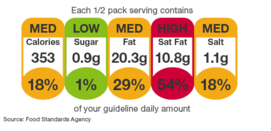
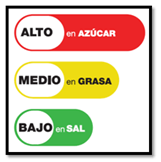
On the other hand, numerous publications explain why the frontal labeling type traffic light and the summary systems (Nutri-Score and HSR) do not influence the purchasing behavior, which is why they would not be appropriate to help the consumer in the choice of products healthy The semaphore problems to achieve this purpose, are linked to the confusion that generates in the nutritional interpretation. It has been proven that there is a compensation effect between green and red colors when they occur in the same product at the same time and that reporting on unfavorable attributes has a greater effect on the purchase decision than reporting favorable attributes. Therefore, we compare the confusion generated by the traffic light front labeling with the confusion that would generate for a motorist, that the traffic light keep its red and green lights on at the same time.
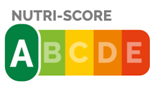
On the other hand, Nutri-Score classifies foods and beverages according to five categories of nutritional quality and a score is established assigning the product a letter and a color. The most nutritionally favorable product obtains a green “A” score and the nutritionally less favorable product obtains a red “E” score. Research showed that although it was useful to classify how healthy foods are, it was not effective to improve purchasing behavior due to the complexity generated by the combination of 5 letters with a gradient of 5 colors ranging from red to green. In addition, a food may have a high sugar content, but if it has fiber, its assessment will not necessarily be red. In this way, the consumer does not know that the food has a high content of sugar, fat or sodium, information that was shown to influence the purchasing behavior. This type of front labeling was recommended by the Center for Studies on Food Policy and Economics (CEPEA) and Center for Studies on Child Nutrition (CESNI), both institutions that expressed conflicts of interest in receiving financing from the industry.
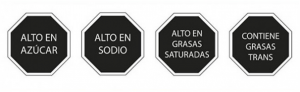
From FUNDEPS, we supported the recommendations made by 9 of the participating institutions, including the Health Ministry, who spoke in favor of the frontal warning labeling and the nutrient profile of OPS. Indeed, numerous studies have shown that this system is the most effective in identifying products with a high content of critical nutrients (sugars, saturated fats and sodium), provides better information for the consumer, in a shorter time and favors the selection of food. healthier. Likewise, this type of labeling is prioritized because it is the most understood by children and adolescents and people of lower educational level, which is central to contemplate the perspective of inequity in public policy and protect especially the groups in the most vulnerable situations. vulnerability, those who suffer the most from obesity, malnutrition and chronic diseases in general. 
On the other hand, the Government Health Secretariat recommended that “the frontal labeling system be implemented in a mandatory and gradual manner. Progressive implementation could be useful to give both consumers and industries time to adapt to changes. It is also proposed to accompany the strategy of front labeling with communication and awareness campaigns so that the population understands the labeling and has more information on nutrition and healthy eating. In addition, it is recommended that front labeling be used as a tool to define other healthy eating and obesity prevention policies. Thus, all those foods and beverages with a critical nutrient in excess, as established by the frontal labeling system, are subject to marketing restrictions, are excluded or are included in small quantities in social plans with a food component and are not offered in establishments. schoolchildren or community kitchens. “

We consider that the technical recommendations of the Ministry of Health for the design of food labeling policies are adequate to protect the right to health of the population. In effect, the warning labeling supplies the necessary information on critical nutrients in excess, whose consumption is sought to be reduced. Thus, it protects consumers in order to make informed decisions, and contributes to the prevention of noncommunicable diseases related to inadequate nutrition. In this context of the growth of chronic noncommunicable diseases linked to an inadequate diet, it is urgent that the recommendations of the Ministry of Health become public policies that enable effective protection of health.

More information

Nutritional front labeling of food

Author

Slavenka Zec

Contact

Agustina Mozzoni, agustinamozzoni@fundeps.org


On October 30, the Inter-American Commission on Human Rights (IACHR) published a communiqué inviting civil society organizations and other interested social actors of the Organization of American States (OAS) to send information on the situation. of human rights in the region. This information will be used for the preparation of chapter IV A of the annual report of the IACHR corresponding to the year 2018 that will be presented to the General Assembly of the OAS.

“Below, we offer a google translate version of the original article in Spanish. This translation may not be accurate but serves as a general presentation of the article. For more accurate information, please switch to the Spanish version of the website. In addition, feel free to directly contact in English the person mentioned at the bottom of this article with regards to this topic”.

Each year, the Commission produces an annual report on the human rights situation in the region, reflecting the trends, challenges, advances and good practices that have occurred in the area of ​​human rights in the OAS member states during the year.

For the Annual Report of 2018, the Commission will emphasize the following axes: Democratic Institutionalization, Institutionality in Human Rights, Access to Justice, Citizen Security and Right to the Environment.

Together with lawyers and lawyers from the Argentine Northwest on Human Rights and Social Studies (ANDHES) we present a report on these axes in the areas we work on:

Institutionality in human rights

1. Hierarchical reduction of National Ministries of Environment, Culture, Health, Labor and Modernization and Communication
2. National Budget 2019
3. Comprehensive Sexual Education Law in danger

Access to justice

1. Preoccupation with the draft bill on collective processes
2. Access to the right to abortion in Argentina – Delay of justice in the case of Portal de Belén (by non-punishable abortion protocol in the province of Córdoba)
3. Access to justice for the elderly

Citizen security

1. Institutional Violence in Tucumán
2. Absence of mechanisms to prevent torture in Tucumán

Right to the Environment

1. Affectations to the right to health caused by the use of agrochemicals
2. Concern over project to amend the seed law
3. Failure to comply with the consultation and free, prior and informed consent of provincial law No. 5,915 to the detriment of the environment and the right to life and territory of indigenous communities in Jujuy.
4. Chinchillas Mining Project and the Pozuelos Lagoon in Jujuy
5. The indigenous community of Solco Yampa and the indiscriminate felling of trees in the province of Tucumán
6. Murder of Javier Chocobar in Tucumán

The cases presented in this report give an account of a general situation of regression of the fulfillment of human rights by the Argentine State. The exposed situations of vulnerability are particularly worrisome because they are part of a regional socio-political crisis context. In order to avoid the impact of cuts, the noncompliance with international standards and the promotion of public policies that do not attack the roots of structural inequality impact fully on the populations that are already in a situation of vulnerability, we ask the IACHR to publicly express concern about the state of compliance with human rights in the country.

More information

Contact

Mayca Balaguer, maycabalaguer@fundeps.org

On November 8, together with Lic. Patricia Croci, we assumed the coordination of the Argentine Tobacco Smoke Free Alliance (ALIAR).

“Below, we offer a google translate version of the original article in Spanish. This translation may not be accurate but serves as a general presentation of the article. For more accurate information, please switch to the Spanish version of the website. In addition, feel free to directly contact in English the person mentioned at the bottom of this article with regards to this topic”.

ALIAR is a coalition constituted by civil society organizations and referents in the field, which works to promote legislation on tobacco control throughout the Argentine territory. Its main objective is the protection of the health of the population against exposure to second-hand smoke, as well as the reduction and disincentive of their consumption.

This alliance has been working for ten years through a cooperative and interdisciplinary approach. “Among the fundamental achievements of ALIAR are the participation in the elaboration of the national law 26.867 of regulation of advertising, promotion and consumption of tobacco, as well as regulation No. 1203/07 of the provincial law of Tierra del Fuego, one of the greatest advances in matters of public health, when establishing the express prohibition of the exhibition of tobacco products in points of sale “, explains the lawyer Patricia Croci, who had an active participation in the process carried out in Tierra del Fuego. In addition, the coalition has focused in recent years on the generation of evidence for the adoption of effective policies, carrying out surveys in various cities of the country regarding compliance with the regulations on smoke-free environments (HLA) and publicity.

We need to continue working on the advancement of tobacco control policies. In this sense, networks such as ALIAR play a fundamental role by allowing the articulation of references from different parts of the country and the consolidation of work agendas and common objectives, which make it possible to enhance the impacts of our actions.

Author

Maga Merlo Vijarra

Contact

Agustina Mozzoni, agustinamozzoni@fundeps.org


In the period that extended from September 12 to 21 of this year, our country had the visit of the Special Rapporteur of the United Nations, Hilal Elver, with the objective of evaluating the realization of the right to food in the country, to subsequently submit a final report to the United Nations Human Rights Council in 2019.

“Below, we offer a google translate version of the original article in Spanish. This translation may not be accurate but serves as a general presentation of the article. For more accurate information, please switch to the Spanish version of the website. In addition, feel free to directly contact in English the person mentioned at the bottom of this article with regards to this topic”.

The rapporteur, in her preliminary observations, emphasized:

  • Current crisis and its impact on the right to food: The Argentina faces a situation of economic and financial crisis, with
    great impact on the right to food of the population. In this At the moment, Argentina must use the maximum of its resources available to ensure the full realization of rights humans.
  • Interrelation of the right to food with other rights human rights: All human rights are interrelated, and the right to food can not be achieved without the right to a adequate housing, education, health for all and all included migrants, indigenous peoples, peasants, children and adults greater.
  • Reception of the right to food in the order Argentine legal system: Argentina, as a State party to the Pact International of Economic, Social and Cultural Rights, has the obligation to respect, protect and guarantee the right to feeding. It is also part of other international treaties fundamental principles on human rights, and they all include provisions related to the right to food adequate There is no explicit constitutional protection of the right to food at the national level and, therefore, the issues related to the right to food so integral and multidimensional. For all these reasons, it highlights the need for comprehensive framework law, with guidelines to promote and implement this right that includes food sovereignty for all.
  • Lack of update on statistical data: Argentina does not has up-to-date official data and other statistical materials that can provide reliable data on hunger and poverty in the last almost 10 years. The latest survey on food and nutrition habits was carried out in 2004-2005, and the latest survey of agricultural sector in 2002, which is not acceptable from the point of view to understand the needs and limitations of related policies with food security.
  • Food consumption in Argentina and its relationship with NCDs: El consumption in the country of fruit and vegetables is low, with only 6% of the population that consumes the amount of fruits and vegetables recommended by the WHO Food Guide. It is the country of the region that consumes the largest number of ultra-processed products and leads the consumption of soda The country includes the highest rates of obesity between children and adults. Currently, 40% of the children and adolescents and 60% of adults are overweight, and 7.3% of Children under the age of five are obese, it is the most important Elevated Childhood Obesity in Latin America It is crucial that nutrition policies are comprehensive, address all forms of malnutrition and have adequate financial support.
  • Marketing and regulation techniques. Although Argentina has with regulations on the content of advertising, have not been applied in an effective way to address the problems of obesity and poor nutrition. There are no specific rules in relation with advertising of food and drinks addressed to children, nor restrictions in relation to nutritional criteria.
  • Breastfeeding and marketing of milk formulas: the rapporteur mentions misleading advertising and growing concern about the health impacts of breast milk substitutes. Insists in the control of advertising and the implementation of strategies for promote and encourage breastfeeding, particularly during the first six months of life.
  • Family Farming: To achieve the objective of a diet adequate and healthy, considers it necessary to strengthen the family farming programs to support and protect this sector of crucial importance. Efforts should be made to promote family farming as a priority. It is the only way to achieve a balance between current industrial agriculture and the development of agroecological production systems. The achievement of this balance would be the only way to achieve a sustainable and just solution for the Argentine people.
  • School Dining Rooms: The current economic crisis seems to have a negative impact on the quality of the food in the different school canteens for the increase in prices. These dining rooms are essential for children and should be strengthened further to ensure they have access to a adequate nutrition and food.
  • Social Programs: Your concern is based on the fact that some of the social benefits exclude certain marginalized groups and disadvantaged and that these programs are not sufficient for the changing economic context.
  • Environment: Suggests that a law or program be implemented to reduce the use of pesticides in agricultural production. In relation to the Protection of Forests, the Organization of the United Nations for Agriculture and Food ranked Argentina among the countries that had lost more forests between 2010 and 2015. Warns that deforestation continues in areas where it is prohibited, and that the national government has shown a lack of interest considerable in applying the law, which is reflected in the lack of funds necessary to finance  conservation policies.
  • Use of Pesticides and Breastfeeding: The widespread use of pesticides with such frequency and intensity has generated concern regarding the exposure of women of reproductive age and of pregnant women who, in turn, can expose children to through breastfeeding. The National Institute of Industrial Technology (INTI) conducted a study of mothers who gave birth in hospitals of the metropolitan area of ​​Buenos Aires. The study determined that milk of these mothers contained levels of pesticides that were 15% more higher than the levels considered safe by law.

More information:

Preliminary Observations Special Rapporteur on the right to food, Hilal Ever, on her mission to the Argentina 12-21 September 2018

Author

Andrea Melissa Hill

Contact:

Agustina Mozzoni, agustinamozzoni@fundeps.org


Last Tuesday, November 13, the consumer association Action and Defense of the Consumer and Tenant (ADCOIN) received representatives of Arcor and the Foundation for the Development of Sustainable Policies (FUNDEPS) in an extrajudicial conciliation hearing requested by the Foundation with reason for the advertising campaign “Your fair share” of the company.

The campaign “Your fair share” contradicts the right of consumers to receive information and violates the right to health

In mid-September of this year, Arcor launched the campaign that states that “a healthy life is a balanced life in which giving yourself a taste and taking care of your health go hand in hand”. As part of that campaign, a green front label with the phrase “Your fair share” was stamped on several products of the company, indicating “what is the recommended daily portion of what you like and what makes you good”.

FUNDEPS stated before ADCOIN that the campaign contradicts the guarantee of the consumers to receive adequate and truthful information contemplated in art. 4 of the Consumer Defense Law No. 24,240, in art. 1100 of the Civil and Commercial Code and in art. 42 of the National Constitution. In addition, it considers that the message that hides the advertising campaign is misleading, since it induces a false idea regarding the products. The choice of the word “fair” and the green color generate in the person who approaches the product an idea of ​​”health” very far from what really involves the consumption of ultra-processed foods such as those promoted by the campaign. In this way, it promotes and induces its consumption, exaggerating its virtues or suggesting some actually nonexistent. It is a case of false advertising, and more specifically, misleading advertising.

The representatives of Arcor affirmed in the hearing that the program “Your Fair Share” is respectful of the current legislation and that it was designed, precisely, to contribute to promote a healthy diet. They indicated that the creation of the “slogan” and the campaign had been consulted with experts in the field, “with the objective of helping the consumer limit the intake of optional consumer foods to a fair measure.”

However, both FUNDEPS and ADCOIN argued that although the campaign claims to be providing information to the consumer, the truth is that there is no recommended portion of consumption of these products. The World Health Organization (WHO) considers that ultra-processed foods “are the engine of the obesity epidemic in Latin America” ​​and should be avoided. The Arcor campaign goes in the opposite direction.

Despite the lack of a specific regulatory framework regarding labeling, FUNDEPS insists that there is a violation of the right to receive true, accurate and detailed information. The campaign does not discourage the consumption of these products or mark the maximum limit, but promotes it. Given Arcor’s insistence on the campaign’s intention to generate a tool for consumers to identify a portion and thus recognize the maximum limit, FUNDEPS requested the marketing studies and the scientific foundations on which the campaign was designed, as well as the contacts of nutritionists and professionals who supported it, in order to better understand the scientific evidence mentioned by the company. For its part, Arcor requested to know better the arguments that found the position of the Foundation and of the organizations of the region that supported the claim.

Both parties decided to continue the dialogue in the extrajudicial conciliatory scope, for which a new hearing was scheduled for the first days of December.

Lack of regulation on labeling

The nutritional labeling that is shown in the food packages should provide the consumers with the necessary information that will allow them to know the amount of critical nutrients, such as sugar, grease or sodium that they are consuming. In this way, the Pan American Health Organization (PAHO) recommends implementing a front labeling, which applies to processed and ultra processed foods, including beverages, and that provides information directly, easily and quickly. In addition, you should warn about the high content of nutrients associated with health problems, such as sugar, fat and salt, according to a nutrient profile. The implementation of these warnings should include the restriction to the use of slogans, images and colors that may suggest characteristics that those products do not have. Likewise, these policies should be accompanied by campaigns aimed at promoting a more conscious purchase, using labeling.

It is evident that current legislation is ineffective in adequately protecting the right to health and food, which leaves room for companies to take advantage of these legal gaps, confuse consumers and consumers, and limit their choices.

In this way, the State fails to comply with its obligation to protect the human right to health that requires that the actions of third parties not affect the effective enjoyment of this right. This situation demonstrates the need to strengthen the existing regulation and the implementation of effective mechanisms aimed at restricting these deceptive marketing practices and preparing a nutritional label that provides the necessary information to ensure the right of consumers and consumers to clear and truthful information, contributing to the choice of healthier options.

Children and teenager: main affected

The message contained in the products advertised by Arcor violates the rights of children and adolescents, because they are the main consumers of this type of food. The cartoons, the characters, the designs and the colors that illustrate the packages of these products are childish, with a clear intention to get their attention.

Because it is a vulnerable group, with fewer tools to decide what kind of food to choose for a balanced diet, FUNDEPS made a presentation to the Children’s and Adolescents’ Advocacy of the Province of Córdoba, requesting that the necessary means be found to respond to this campaign and to enable mechanisms for the dissemination of correct and scientific information on healthy eating.

The same proposal was made together with FIC Argentina before the Ombudsman’s Office of the Province of Buenos Aires, by Walter Martello. On that occasion, the organizations asked the defender to urge the national authorities to intimidate the company to withdraw from the communication channels, point of sale and market in general, the “Your Fair Share” campaign and to urge the Executive Branch and the National Legislature to strengthen the regulatory framework to prevent commercial actions such as this one from being carried out, which violate the right to health, food and information of consumers, especially children and adolescents.

Contacts

Agustina Mozzoni, agustinamozzoni@fundeps.org

Mayca Balaguer, maycabalaguer@fundeps.org

The United Nations Committee on Economic, Social and Cultural Rights concluded on September 28 the fourth report of Argentina on the implementation of the International Covenant on Economic, Social and Cultural Rights.

After an interactive dialogue with the Argentine delegation, the Analysis Committee was integrated The report was presented by the State and also the information by civil society organizations through the shadow reports.

“Below, we offer a google translate version of the original article in Spanish. This translation may not be accurate but serves as a general presentation of the article. For more accurate information, please switch to the Spanish version of the website. In addition, feel free to directly contact in English the person mentioned at the bottom of this article with regards to this topic”

Main conclusions

One of the central issues addressed by the Committee was the financial crisis, because in a context where poverty rates continue, policies to reduce social programs have been implemented, deepening the vulnerability of some social groups. The Argentine State was also questioned about the situation faced by its government institutions, the degradation of some ministries to secretariats, and about the appointment of the Ombudsman.

On the other hand, he expressed his concern for the repression of social protest and access to the land of native peoples. In addition, although the Committee congratulated the adoption of the Gender Identity and Equal Marriage Law in the country, it drew attention to the lack of access to work and harassment in the educational system for LGBTI people, people with disabilities, migrants and women. He also asked the State about youth unemployment, informal work, and several issues related to education (school dropout, sexual and reproductive education and teaching of native languages).

Find more information on public education and comprehensive sex education.

Equality between men and women

Argentine women are affected by the unpaid work of family care, the low rate of labor participation, lack of universal provision of social services and low representation in senior positions in various sectors (particularly justice and the private sector). Therefore, the Committee recommends strengthening legislative provisions and public policies with assigned budgets, aimed at achieving equal rights for men and women, including a public system of comprehensive care, the implementation of measures against social stereotypes that affect women and the promotion of reconciliation policies between work and family life.

On equal opportunities for women and LGBTI people in media organizations, you may be interested in the following link.

Sexual and reproductive rights

Regretting that the bill of voluntary interruption of pregnancy was not approved, the Committee highlighted the high numbers of dangerous abortions in Argentina

and the obstacles to access to abortion in the causes foreseen by the current law, such as the lack of adequate medicines and the negative impact of conscientious objection by health professionals. He also highlighted the lack of a normative and institutional framework to guarantee adequate health services for intersex people.

Among its recommendations in this area, are the provision of contraceptive methods throughout the territory, as well as the adoption of effective measures for the effective implementation of the causes of non-punishable abortion in all provinces – under the provisions of the FAL ruling – and access to medications that allow a safe pregnancy termination. It also recommended the regulation of conscientious objection in order not to obstruct the rapid and effective access to abortion, with dignified treatment by health professionals for patients seeking access to abortion services, as well as not criminalizing women who resort to abortion. practice. Finally, it recommended adopting a normative and institutional framework to guarantee adequate health services for intersex people.

Violence against women

The Committee is concerned about the seriousness of violence against women and girls, with 251 femicides in 2017, despite some progress (such as the inclusion of the figure of femicide in the Criminal Code and the law of Integral Protection). For this, he urged the State to consider the needs of victims of gender violence in the judiciary, to implement free and specialized sponsorship services for women and to improve measures to guarantee the investigation, punishment and reparation of acts of violence , in order to achieve full protection for women and their children.

Feeding

On this point, the Committee regretted the absence of an explicit constitutional recognition and protection of the right to food, the lack of implementation of the Family Agriculture Law No. 27,118, budget and personnel cuts in the family agriculture sector and the increase of people who depend on school and community dining rooms.

He also expressed concern about the increase in the rates of overweight and obesity, the absence of state measures to reduce the consumption of sugary drinks and the lack of adequate regulation to restrict the advertising of unhealthy foods.

In this sense, its main recommendations were to adopt a normative framework that expressly recognizes the right to food and that guides public policies that ensure a healthy, nutritious and sufficient diet, especially for disadvantaged groups. This includes ensuring the effective implementation of the Family Farming Law and taking effective measures to discourage the consumption of foods and beverages harmful to health. At this point, it was even recommended to increase the tax on sugary drinks, strengthening the regulation of the Argentine Food Code in terms of front labeling of foods, including information on sugar in the products, and implement restrictions on the advertising of food and drinks harmful to health, particularly those intended for children and adolescents.

Learn more about food labeling and consumption of sugary drinks.

Health and tobacco use

The high consumption of tobacco has a great negative impact on the health of people in Argentina. The regulation of taxes on tobacco is insufficient and the regulation on advertising campaigns is precarious, so the Committee recommended to our State to adopt more robust measures for the prevention of consumption. Among these, mention is made of the tax increase at a level sufficient to have a deterrent effect on tobacco consumption, the prohibition on advertising, and information campaigns on the negative impact of tobacco on health, with emphasis on the protection of tobacco products. children and youth

In addition, he urged the State to ratify the WHO Framework Convention on Tobacco Control and to adjust the internal regulations on the advertising of tobacco products to the standards established in this Agreement.

Here you can read more about the tobacco control framework agreement.

Mining and the environment

The use of certain unconventional methods of exploitation of hydrocarbons, such as fracking, and the local impact of these forms of exploitation were another concern of the Committee. In particular because of the negative impact they can have on the environment, water and health. Therefore, the country was recommended to adopt a fracking regulatory framework that includes assessments of its impact in all provinces, prior consultations with affected communities, and appropriate documentation of its effects on air and water pollution, emissions radioactive, the risks to health and safety at work, the effects on public health, noise pollution, light and stress, seismic activity that can trigger, threats to agriculture and soil quality, and to the climate system.

Agriculture, healthy environment and health

The increase in the use of pesticides and herbicides that include glyphosate is worrisome, despite the serious adverse impacts on health and the environment of many of them, indicated as probably carcinogenic by the International Agency for Research on Cancer (IARC). ) of the World Health Organization.

In this regard, the Committee recommended that Argentina adopt a regulatory framework that includes the application of the precautionary principle regarding the use of harmful pesticides and herbicides, particularly those that include glyphosate, to prevent negative health impacts from its use and in the degradation of the environment.

On the application of agrochemicals, you may be interested in the following link.


Writer: Mayca Balaguer